
 Cart
 Orders

 Not available here
Product Overview
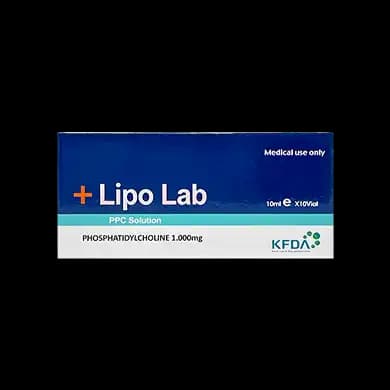
Lipo Lab PPC Solution is a South Korean lipolytic product formulated with phosphatidylcholine (PPC) and sodium deoxycholate (DC). Marketed under the Lipo Lab brand by MEDIHUB, the product is positioned for professional body-contouring applications involving localized subcutaneous fat. Lipo Lab PPC is supplied as a liquid solution in 10 mL vials, with a standard commercial package containing 10 vials for a total of 100 mL.
The formulation combines phosphatidylcholine, a phospholipid naturally found in biological membranes, with sodium deoxycholate, a bile salt known for its membrane-disrupting properties. These ingredients have been investigated in the context of injectable lipolysis and localized adipose tissue reduction.
Lipo Lab PPC Solution is commercially differentiated from products intended for facial contouring. Its published product positioning focuses on body areas such as the abdomen, thighs, arms, back, and flanks. These marketed applications do not independently establish regulatory approval or clinical effectiveness for any particular anatomical area.
This TEOSQUARE product page covers Lipo Lab PPC Solution only. It provides professional buyers with information about its ingredient composition, pharmacological characteristics, vial specifications, packaging, and regulatory considerations.
Key Features
- Phosphatidylcholine-Based Formulation: Contains phosphatidylcholine (PPC), a phospholipid consisting of a glycerol backbone, fatty acid chains, and a phosphocholine head group.
- Sodium Deoxycholate: Includes a bile salt with detergent-like properties capable of disrupting lipid-based cellular membranes.
- Body-Contouring Product Positioning: Marketed for professional aesthetic applications involving localized subcutaneous fat in body regions such as the abdomen, thighs, arms, and back.
- Liquid Solution: Supplied as a liquid formulation in individual 10 mL vials, without the dry-powder presentation used by some other aesthetic products.
- 10-Vial Commercial Package: Standard packaging contains 10 × 10 mL vials, providing a total nominal volume of 100 mL per box.
Composition & Specifications
Lipo Lab PPC Solution is primarily identified by its combination of phosphatidylcholine and sodium deoxycholate. The brand's product information identifies both substances as its principal lipolytic ingredients.
Some international commercial descriptions additionally identify L-carnitine and sodium hyaluronate as formulation components. However, published quantitative ingredient specifications differ between distributors, and a complete manufacturer-verified concentration profile has not been established.
| Specification | Details |
|---|---|
| Product Name | Lipo Lab PPC Solution |
| Alternative Name | Lipo Lab / LipoLab PPC |
| Product Category | Lipolytic / Body-Contouring Solution |
| Principal Ingredients | Phosphatidylcholine (PPC) and Sodium Deoxycholate (DC) |
| PPC Concentration | Not Publicly Verified in Authoritative Manufacturer Specifications |
| Sodium Deoxycholate Concentration | Not Publicly Verified in Authoritative Manufacturer Specifications |
| Additional Commercially Reported Ingredients | L-Carnitine and Sodium Hyaluronate |
| Formulation | Liquid Solution |
| Container Type | Vial |
| Volume per Vial | 10 mL |
| Standard Packaging | 10 × 10 mL Vials |
| Total Volume per Box | 100 mL |
| Brand Company | MEDIHUB |
| Global Distribution Partner | Vel Korea, According to Brand Information |
| Legal Manufacturing Facility | Not Independently Verified |
| Country of Origin | South Korea |
| Product Positioning | Professional Body-Contouring Applications |
Phosphatidylcholine (PPC)
Phosphatidylcholine is a major phospholipid component of biological cell membranes. Its molecular structure contains both hydrophilic and hydrophobic regions, allowing it to participate in the organization and physical behavior of lipid membranes.
Phosphatidylcholine also plays a physiological role in lipid transport and metabolism. It is a constituent of lipoproteins and other biological structures involved in lipid processing.
PPC-containing formulations have historically been investigated for localized fat reduction. However, the contribution of PPC to adipocyte destruction must be distinguished from the established membrane-disrupting action of sodium deoxycholate.
Sodium Deoxycholate (DC)
Sodium deoxycholate is the sodium salt of deoxycholic acid, a secondary bile acid naturally present in the human body.
Its amphipathic molecular structure enables it to interact with lipid membranes. At sufficient local concentrations, sodium deoxycholate can disrupt cellular membrane integrity and cause cell lysis.
This cytolytic property provides an important scientific basis for research into deoxycholate-containing injectable lipolytic formulations.
Additional Reported Ingredients
Certain commercial formulations of Lipo Lab PPC Solution are also described as containing L-carnitine and sodium hyaluronate.
L-Carnitine: A naturally occurring compound involved in transporting long-chain fatty acids into mitochondria for beta-oxidation. Its physiological role does not independently establish additional fat-reduction efficacy when included in an injectable lipolytic formulation.
Sodium Hyaluronate: The sodium salt of hyaluronic acid, a hydrophilic polysaccharide associated with water retention and tissue hydration. Its presence does not demonstrate that the finished lipolytic formulation improves skin elasticity or prevents adverse tissue reactions.
Quantitative ingredient lists vary significantly across published commercial sources. Buyers should confirm the exact composition, ingredient concentrations, preservatives, and manufacturing documentation for the supplied Lipo Lab PPC Solution before professional evaluation.
How Lipo Lab PPC Solution Works
The scientific basis of PPC and sodium deoxycholate-based lipolytic formulations involves interactions between amphipathic molecules and biological lipid membranes.
Cell Membrane Disruption
Adipocytes are specialized cells that store energy primarily as triglycerides. Like other mammalian cells, they are surrounded by a phospholipid-based plasma membrane.
Sodium deoxycholate has detergent-like properties that allow it to interact with membrane lipids. At sufficient concentrations, this interaction can disrupt membrane integrity and cause cellular injury or lysis.
This mechanism differs from ordinary metabolic lipolysis, in which stored triglycerides are enzymatically broken down into fatty acids and glycerol without necessarily destroying the adipocyte.
Phosphatidylcholine and Lipid Interactions
Phosphatidylcholine participates in the structure of biological membranes and the organization of lipid-containing systems. In PPC and deoxycholate formulations, the two substances have different physicochemical roles.
Research into phosphatidylcholine-deoxycholate preparations has shown that deoxycholate contributes substantially to their cytolytic activity. The presence of PPC should not be interpreted as evidence that a formulation selectively destroys adipocytes without affecting surrounding tissues.
Inflammatory Response and Tissue Remodeling
When cellular membranes are damaged, the affected tissue may develop a localized inflammatory response. Macrophages and other immune cells participate in processing cellular debris and subsequent tissue remodeling.
These mechanisms have been investigated in studies involving selected injectable deoxycholate-containing preparations. However, the results of such studies cannot automatically establish the clinical efficacy, safety, or duration of effects of Lipo Lab PPC Solution.
Product-Specific Evidence Limitations
Lipo Lab PPC Solution is marketed for localized body contouring. Its ingredient composition provides a pharmacological rationale for investigating adipocytolytic activity, but independent clinical evidence establishing the finished product's safety and effectiveness for specific body areas has not been sufficiently verified.
Claims of permanent fat removal, predictable reduction in body measurements, cellulite elimination, or guaranteed treatment outcomes require direct product-specific clinical evidence.
The established pharmacological activity of sodium deoxycholate must not be confused with regulatory approval or demonstrated clinical effectiveness of the finished Lipo Lab PPC Solution.
Lipo Lab PPC Solution Product Identification
Lipo Lab PPC Solution is the body-contouring formulation within the broader Lipo Lab brand portfolio. It is identified by its PPC and sodium deoxycholate composition and standard 10 mL vial presentation.
Commercial listings may use the names Lipo Lab, LipoLab PPC, or Lipo Lab PPC Solution to describe this product. Buyers should verify the original label rather than relying solely on abbreviated marketplace product names.
| Identification Field | Product Details |
|---|---|
| Full Product Name | Lipo Lab PPC Solution |
| Common Short Name | Lipo Lab |
| Principal Ingredient System | Phosphatidylcholine + Sodium Deoxycholate |
| Commercial Product Category | Body-Contouring Lipolytic Solution |
| Individual Container | 10 mL Vial |
| Standard Box | 10 Vials |
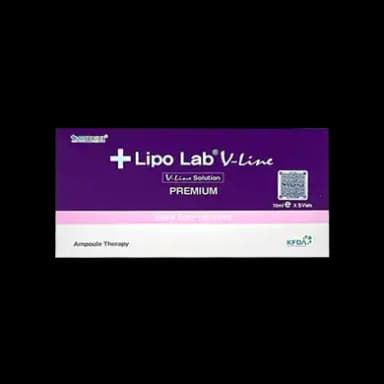
Specifications in this description apply to Lipo Lab PPC Solution. Other products marketed under the broader Lipo Lab brand may have different compositions, product positioning, or packaging.
Packaging & Product Presentation
Lipo Lab PPC Solution is commercially supplied in 10 mL vials. A standard manufacturer-style package contains 10 vials, corresponding to a total nominal solution volume of 100 mL.
| Packaging Component | Specification |
|---|---|
| Product | Lipo Lab PPC Solution |
| Container Type | Vial |
| Volume per Vial | 10 mL |
| Vials per Standard Box | 10 |
| Total Nominal Volume | 100 mL |
| Product Form | Liquid Solution |
| Country of Origin | South Korea |
Lipo Lab PPC Solution has appeared in different commercial packaging designs over time. Product identification should therefore be based on the original labeling, declared formulation, manufacturer information, and traceability details rather than packaging appearance alone.
Some commercial distributors sell individual vials separately from complete ten-vial packages. The selected commercial unit should be verified independently.
The 10 mL container volume is a packaging specification and does not represent an administration quantity or recommended treatment dose.
Storage & Handling
Published commercial documentation describes Lipo Lab PPC Solution as a product intended for storage in a cool, dry environment away from direct sunlight. Some distributor materials identify a temperature range of 2°C to 30°C, but this numerical specification has not been conclusively established from current manufacturer-issued labeling.
- Storage Conditions: Follow the original manufacturer's specified storage requirements for the supplied product.
- Light Protection: Protect the product from direct sunlight and excessive environmental exposure.
- Temperature Control: Avoid freezing and exposure to temperatures outside the applicable labeled storage range.
- Container Integrity: Inspect the original vial and closure for visible damage, leakage, or signs of compromised packaging.
- Product Traceability: Verify the product name, batch number, expiration date, manufacturer identification, and applicable regulatory documentation.
Storage temperature and shelf life should be confirmed from the supplied product's official labeling. Distributor-reported conditions should not replace manufacturer-validated stability requirements.
Safety & Regulatory Considerations
Lipo Lab PPC Solution contains ingredients associated with cytolytic activity and requires careful regulatory and professional assessment. Its marketing as a lipolytic product does not independently establish safety, clinical effectiveness, or authorization for injection.
Potential Tissue Injury
Sodium deoxycholate can disrupt the membranes of adipocytes and other susceptible cells. Its cytolytic properties are not inherently selective for fatty tissue.
Adverse events associated with injectable fat-dissolving products may include pain, swelling, bruising, inflammation, infection, persistent nodules, tissue necrosis, scarring, and injury to surrounding structures.
Regulatory Status
The United States Food and Drug Administration has specifically identified Lipo Lab among unapproved fat-dissolving injectable products marketed in the United States.
FDA approval of certain prescription deoxycholic acid formulations does not extend to Lipo Lab PPC Solution or establish equivalence between products containing related ingredients.
Authorization in South Korea and other countries must be verified separately through official product registration and labeling. The availability of a product through commercial distributors does not demonstrate that its sale or clinical administration is permitted in every jurisdiction.
Professional Evaluation
Professional buyers should verify the original formulation, ingredient concentrations, manufacturing documentation, intended use, contraindications, and applicable regulatory status before considering procurement.
Cosmetic and body-contouring claims must be supported by evidence specific to the finished product and permitted under the regulations of the destination market.
This information is intended for professional product identification and comparison. It does not constitute treatment guidance, establish individual patient suitability, or authorize the injection of an unapproved product.
Frequently Asked Questions
What is Lipo Lab PPC Solution?
Lipo Lab PPC Solution is a South Korean lipolytic product containing phosphatidylcholine and sodium deoxycholate. It is commercially positioned for professional body-contouring applications and is typically supplied in 10 mL vials.
What are the main ingredients in Lipo Lab?
The principal ingredients are phosphatidylcholine (PPC) and sodium deoxycholate (DC). Some commercial product specifications additionally identify L-carnitine and sodium hyaluronate. Exact concentrations and the complete ingredient declaration should be verified against the original manufacturer documentation.
How many vials are included in a box of Lipo Lab?
The standard Lipo Lab PPC Solution package contains ten 10 mL vials, providing a total nominal volume of 100 mL per box. Commercial suppliers may also offer individual vials, so the selected selling unit should be confirmed.
How do phosphatidylcholine and sodium deoxycholate differ?
Phosphatidylcholine is a naturally occurring phospholipid involved in cell membrane structure and lipid transport. Sodium deoxycholate is a bile salt with detergent-like properties capable of disrupting cellular membranes. Research into PPC-deoxycholate formulations indicates that deoxycholate contributes substantially to their cytolytic activity.
Who manufactures Lipo Lab?
MEDIHUB identifies itself as the South Korean brand company responsible for Lipo Lab and names Vel Korea as a global distribution partner. The exact legal manufacturing facility for an individual Lipo Lab PPC Solution presentation should be verified from the original product labeling and manufacturing records.
Is Lipo Lab PPC Solution FDA approved?
No. The US FDA has identified Lipo Lab among unapproved injectable fat-dissolving products. Approval of other prescription products containing deoxycholic acid does not establish FDA approval or clinical equivalence for Lipo Lab PPC Solution.